Aluminium Castings After Machining: Fixturing and Tolerance
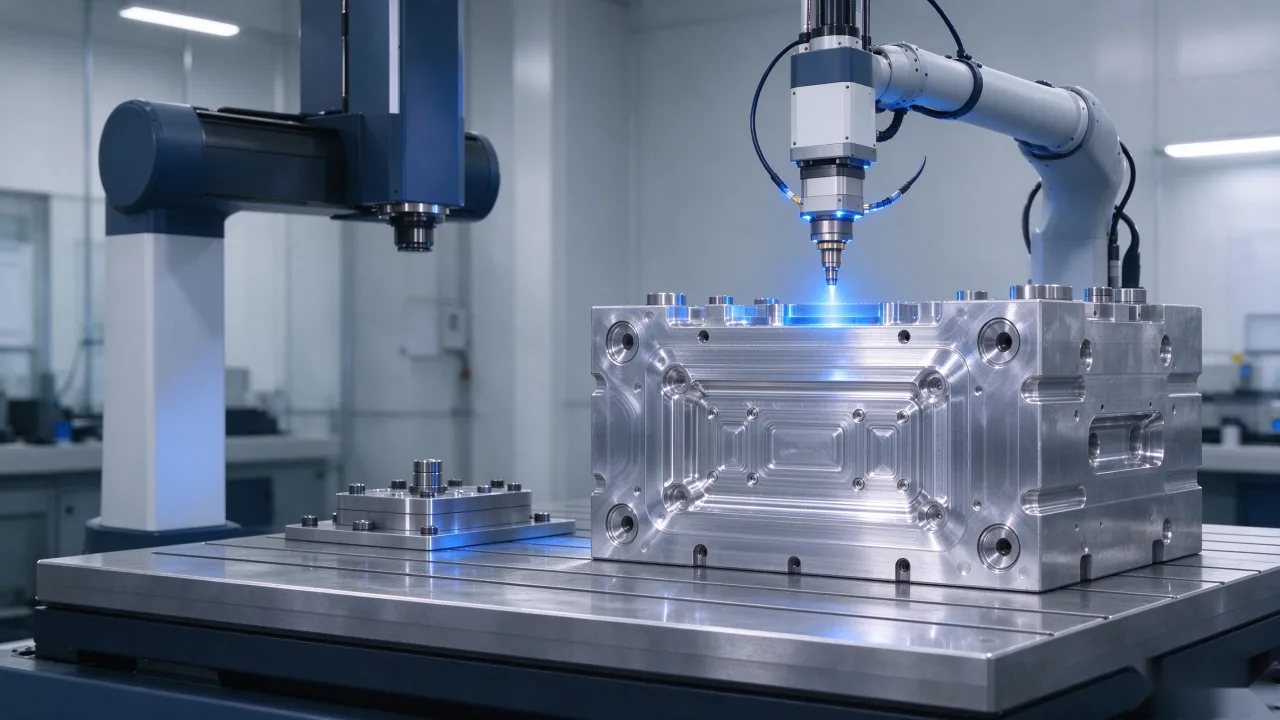
Machining die-cast aluminium parts successfully: datum strategy for as-cast surfaces, holding without distortion, and realistic tolerance stacking.
Die-cast aluminium parts arrive with as-cast surfaces that wander. Machining them accurately is less about the machine and more about the datums: which faces you reference, in what order, and how gently you clamp. Get the datum plan wrong and even a perfect machine produces twisted parts.
The Rules That Hold Up
- Machine datum faces first from the casting, then reference everything to them.
- Clamp over ribs and bosses, never on thin unsupported walls.
- Leave finish passes until the part is gripped once, lightly, close to final shape.
- Stack tolerances from casting capability, not machining capability alone.
Distortion is the second battle. Castings hold stress from the die, and roughing releases it. A rough-and-rest sequence, where parts relax before finishing, beats forcing everything in one grip. Sharp, high-geometry cutters also reduce the pushing forces that move thin sections.
Send us a casting sample and drawing, and we will suggest a fixturing and sequencing plan before you buy.
Talk to VITOP Machinery
Questions about this topic or your upcoming project? Email vitopmachinery@163.com or message us on WhatsApp: +86 183 1908 0212. Browse all machines at www.vitopmachinery.com. We reply within one business day.