What a Machine Tool Acceptance Trip Looks Like
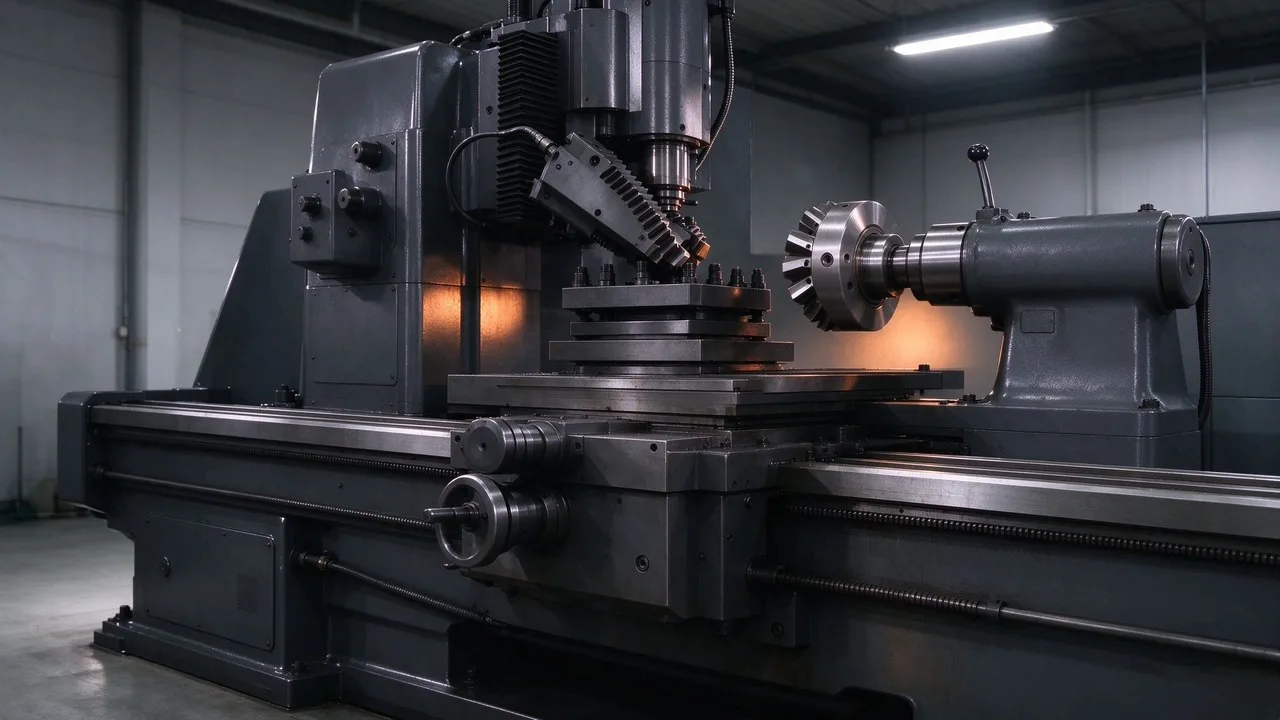
A practical walkthrough of a buyer's factory acceptance visit: the tour, seeing your machine assembled, a live cutting test with your material, and the inspection reports you should take home.
A CNC machine is a five-figure purchase that will sit on your floor for a decade. Photos and a video call tell you a lot, but they do not tell you how the castings look in person, how the factory is organised, or whether your part actually cuts well on the model you plan to buy. That is why serious buyers still fly in before signing. VITOP Machinery welcomes buyer visits as part of its OEM/ODM and inspection practice, and in this article we walk you through what a typical acceptance trip looks like, step by step.
Before You Book the Flight
Send your drawings to the supplier two to three weeks ahead. Ask them to have a machine in your target configuration ready for a cutting test, and agree on the test material in advance. If you make aluminium mould cores, do not accept a demonstration cut in mild steel. Also agree on the acceptance criteria in writing: positioning accuracy, surface finish, cycle time on your test part, whatever matters most to your work.
Decide who is coming. A production engineer or machinist who will actually run the machine will spot things a purchasing manager will not.
The Factory Tour: What to Look At
A proper machine tool factory shows you everything, and VITOP does casting, precision machining, assembly and inspection under one roof across a 30,000 m2 production base. That matters for you as a buyer, because when one company controls the whole chain, nobody can blame a casting supplier when geometry drifts.
On the tour, pay attention to three things:
- Casting quality. Ask about the material and the ageing process. VITOP uses HT300 resin-sand castings with double ageing treatment, which is what keeps a machine stable years after installation.
- Guideway work. Look for hand-scraped and matched guideways on the assembly floor. Scraping is slow, skilled work; factories that skip it build faster and cheaper, and you feel it in the accuracy five years later.
- Housekeeping and test equipment. A tidy assembly area and visible laser interferometry and ballbar instruments tell you inspection is routine, not a photo opportunity.
Seeing Your Machine Being Assembled
If your machine is already in production when you visit, ask to see it at its current stage. Walk around it. Check the way wiring is routed, how coolant plumbing is clipped, whether the sheet metal fits cleanly. This is also the moment to confirm every item on your specification sheet: spindle taper, ATC capacity, controller brand, fourth axis interface, chip conveyor if you ordered one.
Small changes are still cheap at this stage. Once the machine is crated, they are not.
The Live Cutting Test with Your Material
This is the heart of the trip. Your part, or a representative test piece, is clamped and cut while you watch. A good test covers more than one condition: a roughing pass to see how the machine handles load, a finishing pass to check surface finish, and a circular or corner test to reveal geometric errors.
Stand close and listen. A machine that chops or hunts during heavy cuts will not get quieter in your shop. Time the tool changes. Watch how the chips evacuate, especially if you cut deep pockets.
What gets measured
Every machine VITOP ships is verified with laser interferometry for positioning accuracy and ballbar testing for circularity and geometric error before shipment. Ask to see the test being done on your machine, and ask for the printouts.
Inspection Reports and Paperwork to Take Home
Before you leave, collect the documents that will matter at installation time:
- Laser interference measurement report for the axes
- Ballbar test report
- Cutting test results with the actual part, plus photos or video
- Packing list and spare parts list
- Foundation and utility requirement drawings so your site preparation starts while the machine is in transit
Keep the original test parts. Compare them against what the machine produces after installation; that comparison is the fastest way to confirm nothing shifted in shipping.
If You Cannot Travel
Not every buyer can fly in. Live video acceptance is a workable substitute: ask the supplier to stream the inspection and cutting test, and record it. Many buyers in Southeast Asia also hire a third-party inspection service; independent factory audits by firms such as SGS or Bureau Veritas are commonly budgeted at around USD 500 to 1,500 depending on scope. A video call costs nothing, so even a short one is worth arranging before you commit.
Whether you come in person or join by video, the principle is the same: see the machine work before the money moves. VITOP's doors are open to buyers, and the team will schedule a cutting test around your parts if you send drawings ahead.
Talk to VITOP Machinery
Planning a machine purchase or need help matching a model to your parts? Send your drawings or questions to vitopmachinery@163.com, or message us directly on WhatsApp: +86 183 1908 0212. You can also browse all machines at www.vitopmachinery.com. We reply within one business day.