CNC Machine Pre-Shipment Inspection: Factory Reports vs Third Party
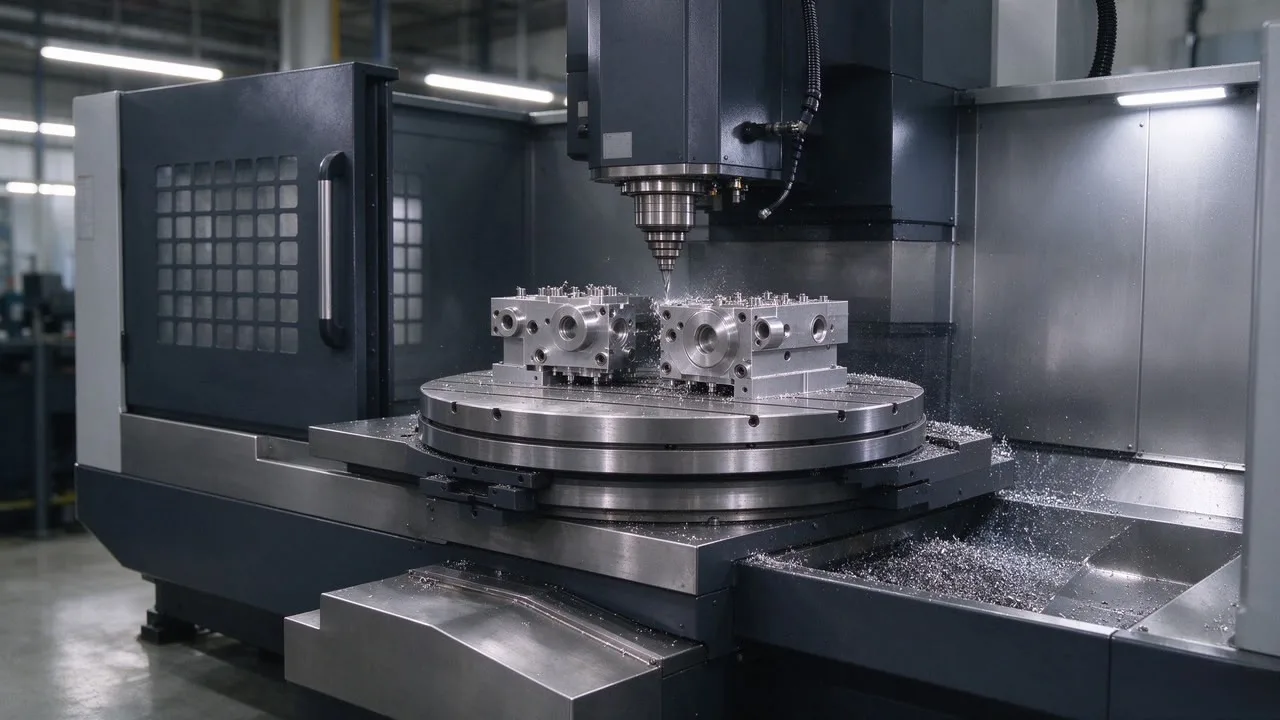
Factory test reports, live machine demos plus third-party inspection each catch different problems. Use them together.
Pre-shipment inspection is your last cheap chance to catch a problem. Once the machine is on the water, every defect becomes a negotiation instead of a correction. The question buyers face: trust the factory's test reports, pay for a third-party inspector, or both? Here is how the options compare.
What the factory tests anyway
A serious builder verifies every machine before it leaves. At VITOP Machinery, each machine goes through laser interferometry and ballbar testing before shipment. Laser interferometry measures positioning accuracy along each axis; a ballbar test traces a circular path and reveals servo mismatch, backlash and squareness errors in one short plot. Ask for both reports for your serial number, not a sample report from a sister machine.
Beyond geometry, a complete factory test covers spindle run-in at speed, tool changer cycling, coolant and lubrication systems, and a test cut. Standard VMC positioning accuracy sits around ±0.01-0.02 mm, with precision grade at ±0.005 mm. If your parts demand the tighter figure, ask for the ISO 10791-series geometric test report of the actual machine; the series defines exactly which tests are run and how.
What a third-party inspector adds
A factory report is written by the party selling you the machine, and an independent check removes that conflict. Third-party inspection firms (SGS, BV and similar) will visit the factory, witness the tests, review the machine against your specification and issue their own report. In this region the service typically costs somewhere between several hundred and about USD 1,500 per visit, a modest sum against a six-figure machine.
An inspector is most valuable when:
- This is your first order with the builder
- The machine is fully custom, so there is no standard model to compare against
- You cannot travel to the factory yourself
Video and live factory tests
Between the two sits a practical middle ground many buyers skip: witness the tests remotely. Ask the builder to run the ballbar test, the tool change cycle and a cut of your sample part on a live video call. Fifteen minutes of live video answers questions no PDF can, and it costs nothing. A confident factory will agree immediately; hesitation is information.
Building the inspection into the contract
Whichever route you take, write the inspection into the order before paying the deposit:
- List the exact tests and the acceptance values, tied to your specification.
- State that the balance payment follows the inspection, per the payment terms you agreed.
- Reserve the right to hold shipment if the machine fails its own factory reports.
- For customs purposes in some markets, note which certificates the inspector should issue on site.
One warning from experience: do not skip the inspection on a repeat order just because the first machine was perfect. Batch variation exists in every factory, and the cheapest defect is still the one found before loading.
Inspect after arrival too. Report transit damage claims within the carrier's window, usually days, not weeks. The factory inspection protects you against build errors; the arrival check protects you against the journey. Both together cost far less than a single undetected problem.
Sample cutting: the test that matters most
Geometry reports prove the machine, but a test cut proves it on your work. Send the factory a drawing of a typical part before the machine is finished and ask them to machine it during final testing. Watch the cycle time, the surface finish and the measured dimensions. For mould shops, a finish pass on hardened steel tells you more about rigidity than any certificate. For production parts, ask for a first article measured with a CMM if the factory has one, or with calibrated instruments and a written measurement sheet. Keep the sample and the report together; they become the reference point for every accuracy question for the life of the machine.
Talk to VITOP Machinery
Planning a machine purchase or need help matching a model to your parts? Send your drawings or questions to vitopmachinery@163.com, or message us directly on WhatsApp: +86 183 1908 0212. You can also browse all machines at www.vitopmachinery.com. We reply within one business day.
Need a CNC Machine for Your Project?
Tell us what you need to machine — our engineers will recommend the right model and send a quotation within 24 hours.