Automation-Ready CNC Buying: Specify Robot Integration at the Factory
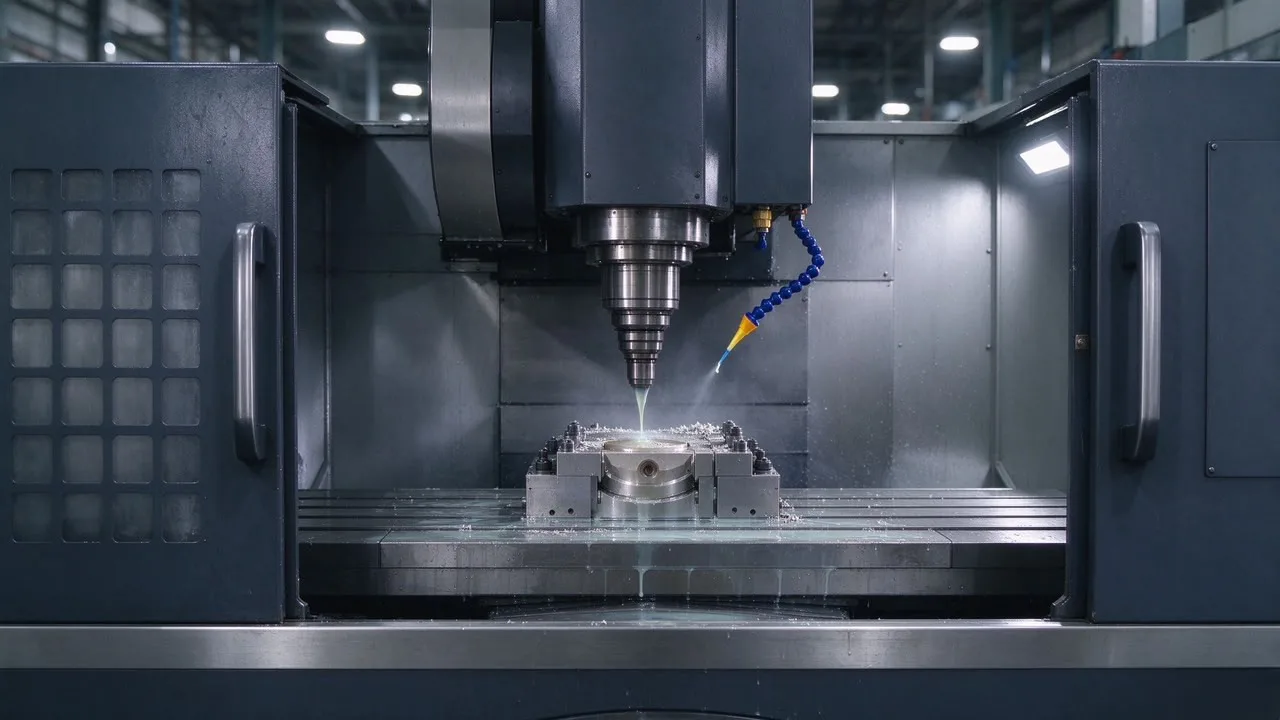
About 35% of buyers now ask for automation-ready machines, up from 10% two years ago. Here is what to specify at the factory, before the robot quote arrives.
Two years ago, roughly one buyer in ten asked a machine builder about automation. Today about 35% do, and the ones who ask early get the better deal. Automation fitted at the factory typically adds 5-8% to the machine price. Retrofitting the same capability later usually costs 20% or more, because the builder must work around castings, guarding and electrical layouts that were never designed for it.
What "Automation-Ready" Should Actually Mean
The phrase gets slapped on brochures, so pin it down in the order. A genuinely automation-ready machine includes:
- A foundation and leveling interface with space reserved beside the machine for the robot or gantry loader cell.
- An automatic door or gate interface the robot can signal, not just a physical door.
- I/O and signal interfaces for part presence, clamp confirmation and cell safety circuits, documented in the electrical drawings.
- A coolant tank and chip conveyor sized for unattended running, with a chip auger exit height that matches your bin or conveyor.
- Air blast and part-cleaning nozzles so the robot loads a clean, dry part onto the fixture.
- Guarding designed with an operator-free zone in mind, not an afterthought frame welded on later.
Why the Factory Stage Is Cheaper
When the builder knows a robot is coming, small decisions get made correctly the first time: cable chains routed where a loader arm will not snag, coolant splash guards extended, the electrical cabinet given spare capacity for cell controls. Each of these is trivial on a new build and painful as a retrofit, which is where the 5-8% versus 20%-plus gap comes from.
Information the Builder Needs From You
Tell the supplier three things at RFQ stage: the part or blank weight the loader must handle, the robot brand you plan to use or intend to buy, and the floor space you can allocate. With that, a custom builder can deliver a cell layout drawing alongside the machine quotation. If you buy machines from different builders, ask them all to follow the same signal convention and fixture zero height; it makes the robot integrator's job, and your budget, much smaller.
Plan the surrounding systems too. Unattended running multiplies the cost of a chip jam or a coolant dry-run, so pair automation with through-spindle coolant monitoring, tool life management and a simple part-presence sensor on the fixture. Agree with the builder during assembly which alarms the cell should react to automatically; adding that logic after commissioning always takes longer than wiring it in on a fresh build.
Start Where Automation Pays First
You do not need a six-axis robot on day one. Common first steps include a bar feeder on a slant-bed lathe, pallet or twin-fixture setups on a VMC, or a simple gantry loader for one high-volume part. Each of these still benefits from the factory-fitted interfaces listed above. Decide the endpoint now, even if you fund it in stages.
Why Custom Builders Have the Edge
A builder that handles casting, machining, assembly and inspection under one roof can modify the machine structure itself for your cell: raised or lowered tables, repositioned doors, custom guarding. VITOP builds OEM and ODM machines this way, and we would rather wire the interfaces during assembly than send an engineer to retrofit them on your floor a year later. Tell us the part, the volume and the robot plan, and we will build for the endpoint.
Talk to VITOP Machinery
Planning a machine purchase or need help matching a model to your parts? Send your drawings or questions to vitopmachinery@163.com, or message us directly on WhatsApp: +86 183 1908 0212. You can also browse all machines at www.vitopmachinery.com. We reply within one business day.
Need a CNC Machine for Your Project?
Tell us what you need to machine — our engineers will recommend the right model and send a quotation within 24 hours.