Box Ways vs Linear Guideways: Which VMC Suits Mould Making?
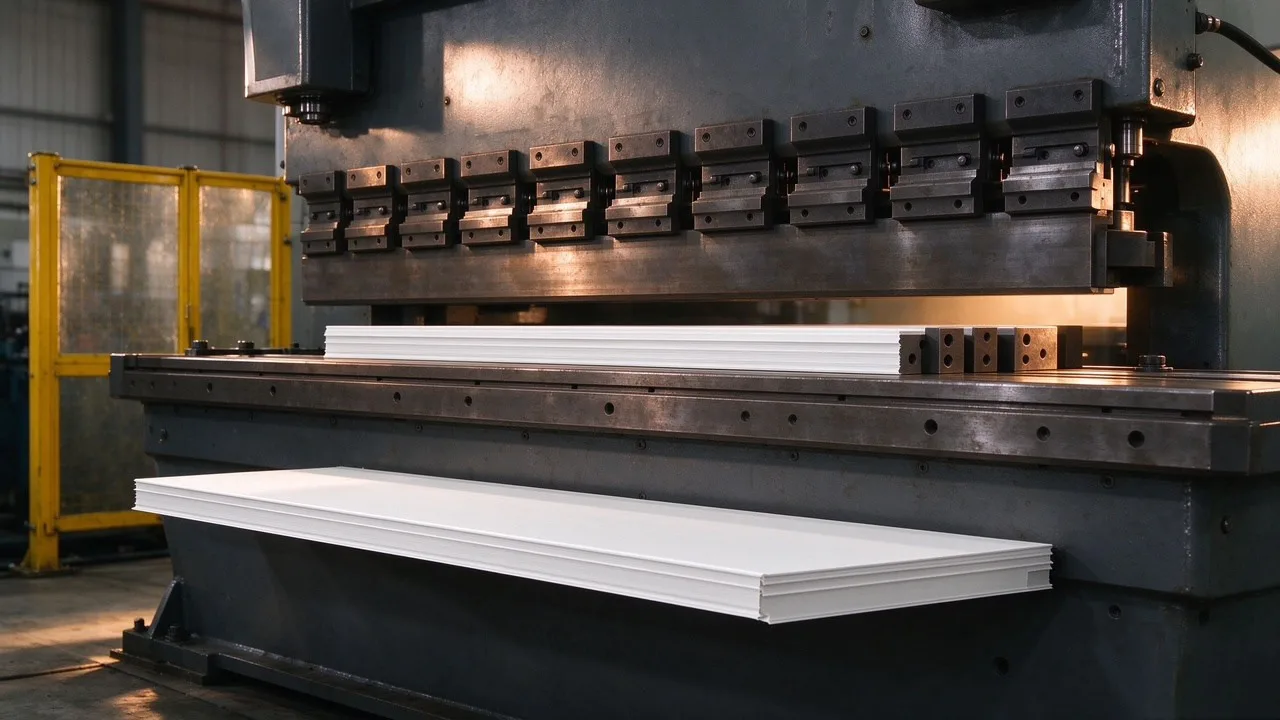
How box way and linear guideway construction differ in rigidity, damping plus speed, and which one fits heavy mould cutting versus high-speed finishing.
When two vertical machining centers look identical on the outside, the guideway construction is often what separates them in performance. One rides on box ways (also called sliding guideways or hardened box slides), the other on linear guideways (linear rails with recirculating balls or rollers). Neither design is better in absolute terms. Each suits a different kind of cutting, and mould shops need to understand the trade-off before ordering.
What Box Ways Actually Are
In a box way VMC, the saddle plus slide slide directly on hardened, ground faces that are part of the casting. The contact surface is large, the moving mass is high, and metal meets metal through a low-friction turcite layer. The result is very high static rigidity and strong resistance to vibration, which is exactly what you want when a face mill bites into a hardened mould block or a roughing end mill takes a deep, wide cut.
The price you pay is speed and acceleration. Box way axes typically run at 8-15 m/min rapid and accelerate slowly. For heavy cutting this does not matter; for long high-speed finishing toolpaths it does.
What Linear Guideways Change
A linear guideway machining center mounts pre-ground rails on the casting and rides on recirculating ball or roller blocks. Friction is low, so axes reach 24-48 m/min rapids and accelerate quickly. Positioning is fast, and contouring at high feed stays accurate because the drive is not fighting sliding friction.
The trade-off is contact area. A ball block touches the rail on a few points compared with the broad surface of a box slide, so static rigidity plus damping are lower. Under a heavy interrupted cut, a linear guideway machine is more likely to chatter.
Damping and Surface Finish
Damping is the quiet difference between the two designs. Box ways absorb cutting vibration because the sliding contact dissipates energy. That shows up directly in surface finish on hardened steel: fewer chatter marks, less polishing work afterwards. Roller-type linear guides close part of the gap, and a well-damped casting with proper hand-scraping can make a linear guideway machine finish surprisingly well, but for pure heavy cutting on a mould cavity, box ways still hold the edge.
Linear guideways return the favour at the other end of the process. Finishing passes on 3D mould surfaces involve thousands of short moves. Fast acceleration shortens those moves, so a linear guideway machine finishes the same surface in noticeably less time.
Heavy Cutting vs High-Speed Finishing
- Choose a box way VMC if your daily work is roughing mould cavities, cutting hardened P20 or 718 blocks, taking heavy face-mill passes, or machining large workpieces where the table stays loaded.
- Choose a linear guideway machining center if your work is high-speed finishing, small electrodes and 3C parts, aluminium, or mixed production where fast rapids save real cycle time.
- If you do both, many mould shops run a box way machine for roughing and a linear guideway machine for finishing. That is one reason we offer both constructions in our vertical machining center series.
Hand-Scraping Still Matters
Whatever guideway type you choose, the fit between the components decides how the machine holds up after two years of production. At VITOP Machinery every guideway is hand-scraped and matched during assembly. Scraping creates thousands of oil-holding micro pockets on the mating surfaces, which improves contact, damping plus long-term wear behaviour in a way that pure machine grinding cannot. Combined with our HT300 resin-sand castings that go through double ageing treatment to release stress, this is a large part of why our machines keep their geometry. Before shipment, every machine is verified with laser interferometry and ballbar testing, so you see the measured positioning plus circularity results for your own machine, not just a catalogue figure.
Our Recommendation for Mould Shops
Start from your cutting loads, not from the brochure. If more than half your spindle hours are heavy roughing on steel, lean box way. If you finish at high speed or cut mostly aluminium and small precision parts, lean linear guideway. If you are setting up a mould shop and want one machine to start, a well-built box way VMC is the safer first purchase; you can add a high-speed linear guideway machine as finishing volume grows.
Send us your typical parts and materials, and we will tell you which construction fits, including the spindle plus tool magazine configuration we would recommend for that work.
Talk to VITOP Machinery
Planning a machine purchase or need help matching a model to your parts? Send your drawings or questions to vitopmachinery@163.com, or message us directly on WhatsApp: +86 183 1908 0212. You can also browse all machines at www.vitopmachinery.com. We reply within one business day.