BT50-E-R32 Extension Rod for Extended-Reach Machining
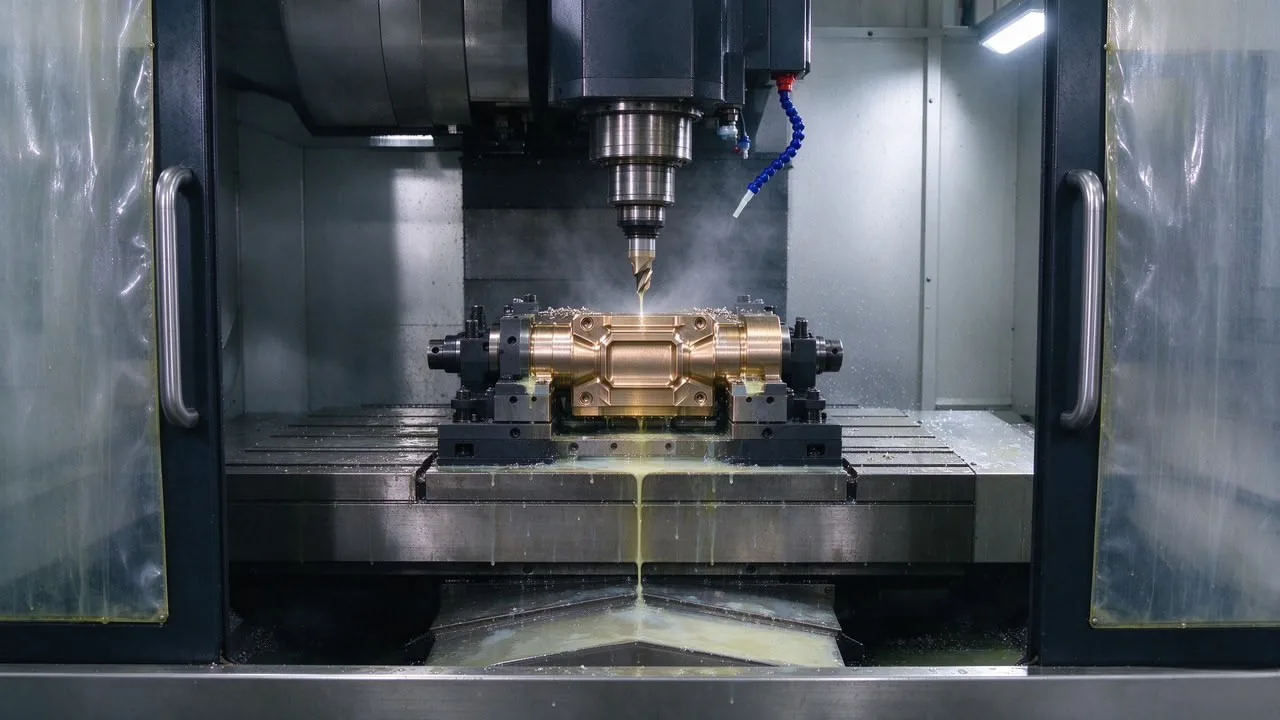
BT50-E-R32 extension holder with BT50 shank and ER32 collet front, for extended-reach milling plus drilling in deep cavities and hard-to-reach features.
Every mould shop meets the same wall eventually. The cavity is 250 mm deep, the wall is thin, the feature sits right at the bottom, and a standard tool holder simply cannot reach. You can lengthen the tool, but a long tool in a short holder whips and chatters. The proper answer is an extension holder: a rigid body that carries the tool out to where the work is. The BT50-E-R32 extension rod is VITOP's optional equipment for exactly this job, with a BT50 shank at the back and an ER32 collet interface at the front.
How the Design Works
The specification has three lines, and each one matters. The BT50 shank gives the holder a stiff, large-diameter connection in the machine spindle. BT50 is the heavy-duty taper in common machining centre practice, chosen where cutting loads are significant, and it keeps the body rigid close to the spindle where rigidity matters most. The ER32 collet at the front provides the tool clamping. ER32 is one of the most widely used collet systems in the world, with a broad range of collet sizes available from stock almost everywhere, so holding cutters and drills of the sizes you already own is straightforward.
The stated application is extended-reach milling and drilling, and that is the honest scope: reaching down into cavities, along deep walls and into features a standard holder cannot access.
Where You Will Use It
- Deep mould cavity walls and ribs a normal holder cannot reach
- Deep drilling and reaming in tall blocks and plates
- Machining core details at the bottom of narrow pockets
- Clearance work where the holder body must pass close to the part
The Physics of Extended Reach
Extension always costs rigidity. Deflection at the tool tip grows roughly with the cube of the overhang, so doubling the stickout makes the setup about eight times more flexible. That is not a reason to avoid extension; it is a reason to respect it. The rules that keep extended-reach cutting productive are simple:
- Use the shortest extension that reaches the feature, not the longest you have
- Reduce depth of cut and radial engagement compared with standard holders
- Prefer climb milling and lighter passes to keep side loads down
- Watch for chatter and adjust speed before pushing feed harder
Treated this way, an extension holder does jobs no other tooling can do. Treated casually, it breaks small end mills and frustrates operators.
Collet Practice Matters
With an ER32 front, insertion depth and cleanliness decide runout. Seat the cutter fully or leave the minimum overhang, clean the collet and nut every time, and tighten to sensible torque. Good collet practice keeps the small cutters used in deep features running true, and true cutters last longer and cut where the programme expects them to.
Specifying It With Your Machine
The BT50-E-R32 is offered as optional equipment, so the right time to decide on it is when you configure a new machine, particularly a vertical machining centre destined for mould work. Consider how many of your current jobs have features deeper than your standard holder reach, and keep a unit in the drawer for the jobs that surprise you. To add it to a machine order, or to check compatibility with your existing BT50 spindle, send us a note with your typical deep-reach parts and we will confirm the setup.
Talk to VITOP Machinery
Planning a machine purchase or need help matching a model to your parts? Send your drawings or questions to vitopmachinery@163.com, or message us directly on WhatsApp: +86 183 1908 0212. You can also browse all machines at www.vitopmachinery.com. We reply within one business day.
Need a CNC Machine for Your Project?
Tell us what you need to machine — our engineers will recommend the right model and send a quotation within 24 hours.