How CNC Machines Are Packed to Survive Sea Freight
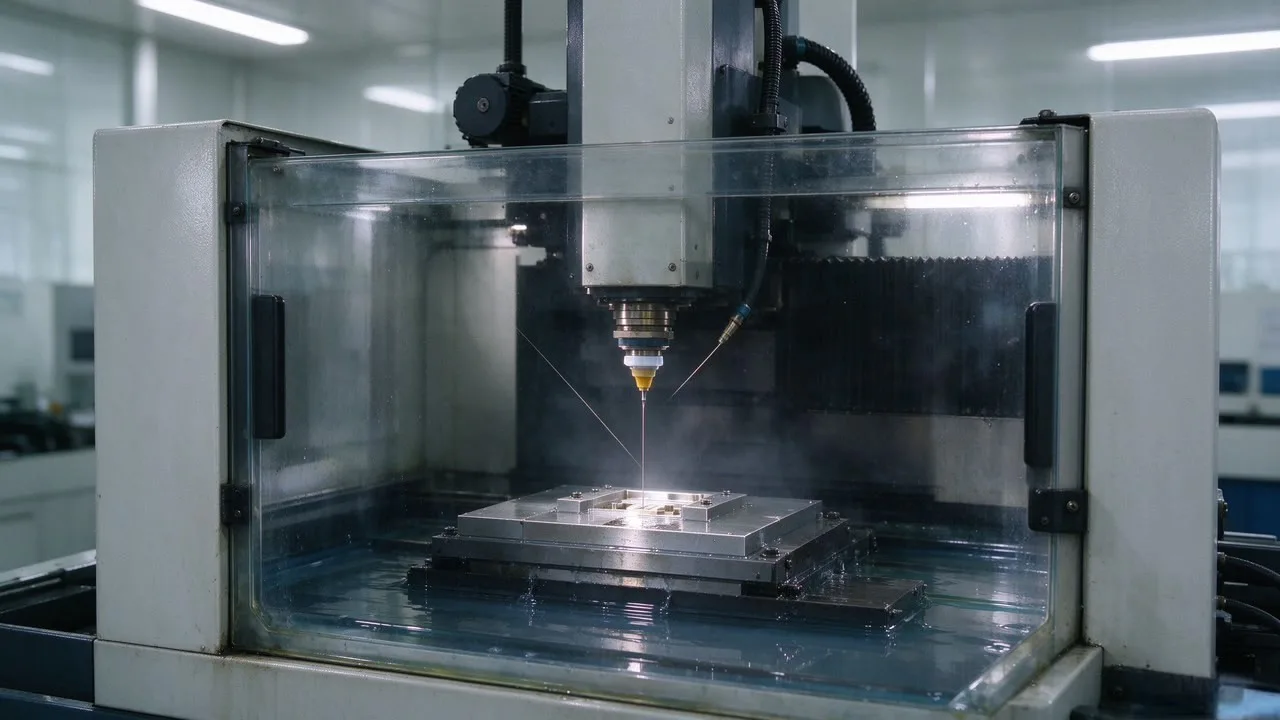
VCI wrap, iron frames, bolted fixation plus shock indicators: how export packing keeps a machine tool safe at sea.
A CNC machine that runs perfectly in the workshop can arrive damaged if the packing was careless. Ocean freight exposes cargo to moisture, salt air, shock and long static loads. Good builders treat export packing as part of the machine build, not an afterthought. Here is what should happen before your machine enters a container.
Why machine tools are demanding cargo
Three things hurt machine tools at sea. First, corrosion: cast iron surfaces and electrical boards suffer in humid tropical air, especially on Southeast Asia routes. Second, shock: a dropped or hard-lifted crate can shift a spindle housing or crack a casting. Third, condensation inside the crate as the container crosses climate zones. Your installation climate matters too; high humidity and voltage fluctuation are known issues in tropical operation, and packing is the first line of defence against the first one.
The standard packing sequence
A proper export pack for a machining center or lathe follows this order:
- Rust prevention first: machined surfaces and guideways are coated with anti-rust grease and wrapped in VCI (vapor corrosion inhibitor) film.
- Cushioning: foam or air cushion film around the machine body, with fragile items such as the control panel and handwheel protected separately.
- Fixation: the machine is bolted through its base to a steel or hardwood skid. This is the step that stops the machine walking or tipping inside the crate; loose lag screws are not enough for a 5-tonne machining center.
- Case: a super-strengthened wooden case, fumigated and stamped to ISPM-15 standard so customs in Vietnam, Thailand or Indonesia accept the wood.
- Moisture control: desiccant bags inside the case, with the film sealed to slow condensation.
Fixation inside the container
Packing the crate is half the job; securing it in the container is the other half. Expect wooden braces or steel strapping anchoring the crate to container lashing points, with gaps filled so the load cannot shift. For heavier machines, the builder should calculate weight distribution so the container stays within road transport limits at both ports. Ask for photos of the loaded container before the doors close. Any serious builder sends them without being asked twice.
Shock and tilt indicators
For higher-value machines, ask for shock indicators on the crate. These small devices trigger on impacts above a set threshold. If one shows triggered on arrival, photograph it before opening and notify the builder and the carrier the same day. It makes an insurance claim straightforward instead of an argument about when the damage happened.
What to check when the crate arrives
- Is the crate intact, with no punctures, water stains or re-nailed panels?
- Is any shock or tilt indicator triggered?
- Open the case and inspect the anti-rust coating before powering anything up.
- Check the accessories box against the packing list before signing anything with the forwarder.
One practical note for tropical destinations: unpack and power the machine reasonably soon after arrival. Machines that sit packed for months in humid warehouses can develop surface rust even with good packing. Our standard packing, combined with VCI film and desiccants, is designed for the 5-10 day sea route from South China, not for half a year of storage outdoors.
If you want to see how we pack before you commit, ask for a packing video from a recent shipment to your region. It takes the factory five minutes to film and tells you more than any specification sheet.
Questions to ask before the machine ships
Export packing varies between factories, so put a few questions in writing: Is the case ISPM-15 stamped? Are machined surfaces greased and VCI-wrapped? Is the machine bolted to the skid, and what is the skid material? How many desiccant bags go inside, and is the film heat-sealed? Will you receive loading photos? A builder that answers these quickly and specifically has done this hundreds of times; vague answers are the cheapest early warning you will ever get.
Talk to VITOP Machinery
Planning a machine purchase or need help matching a model to your parts? Send your drawings or questions to vitopmachinery@163.com, or message us directly on WhatsApp: +86 183 1908 0212. You can also browse all machines at www.vitopmachinery.com. We reply within one business day.
Need a CNC Machine for Your Project?
Tell us what you need to machine — our engineers will recommend the right model and send a quotation within 24 hours.