Custom vs Standard CNC Machines: How Lead Times Compare
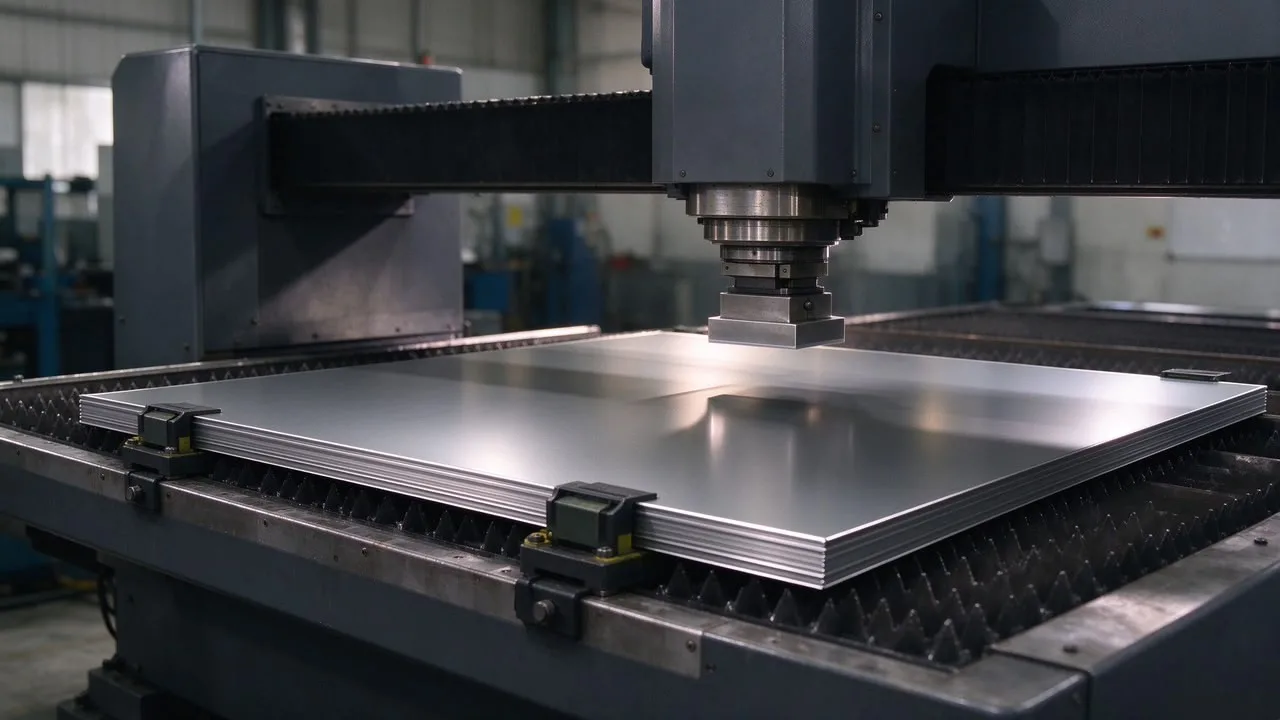
Typical lead times run 60-120 days. Here is where the days go, and what stretches a custom build past a standard model.
Lead time is where custom machine projects either succeed or disappoint. The buyer expects a date, and the factory knows the casting still has to age. Understanding what actually drives the schedule helps you plan production around delivery instead of blaming the supplier afterwards.
The typical window: 60 to 120 days
Across the Chinese machine tool trade, lead times commonly run 60-120 days from order confirmation to shipment readiness. A standard-configuration vertical machining center sits at the shorter end because castings and key components are usually already in process. A fully custom build, such as a gantry sized around your workpiece or a special angle head order, sits at the longer end. Both numbers assume the deposit arrives on time and the specification is frozen; changes after casting starts reset the clock.
Where the days actually go
A machine tool is not assembled from shelf parts. Inside a builder like VITOP Machinery, which pours its own castings on a 30,000 m2 production base, the sequence looks roughly like this:
- Casting and double ageing: HT300 resin-sand castings are poured, then aged twice to stabilise the structure. Rushing this step causes accuracy drift months later, so no serious builder compresses it.
- Precision machining: milling and grinding of the base, column and table guideway faces.
- Hand scraping and matching: guideways are scraped and matched by hand. This craft step has no machine substitute.
- Assembly, spindle run-in, laser interferometry and ballbar testing: every machine is laser-verified before shipment, which typically takes the final week or more.
What stretches a custom build
- Castings sized beyond the standard series. Our S series gantry tables, for instance, run from 900x1400 up to 2200x8000 mm, so a one-off size means a fresh pattern or a modified one.
- Special spindle builds, gear heads or custom angle heads
- Non-standard electrical configurations or an unusual control brand
- Factory-fitted automation, which still beats retrofitting: adding automation later commonly costs 20%+ of machine value versus 5-8% when factory-fitted, and it adds months of local integration work
Exporters report that Southeast Asian buyers increasingly accept longer custom lead times because the alternative, modifying a standard machine after arrival, costs more and puts the accuracy guarantee at risk.
Plan the whole route, not just the factory
The factory window is only part of your calendar. Sea freight from South China to Southeast Asia takes roughly 5-10 days. Door-to-running, from order to a machine cutting metal in your shop, commonly lands at 15-25 working days after the machine leaves the factory, allowing for customs and commissioning. Buyers in Thailand report a typical order-to-running cycle of 60-90 days on standard machines, which matches the math.
Three planning habits that save weeks
- Book your pre-shipment inspection date when you place the order, not when the machine is finished. Inspectors and flights need notice.
- Ask the builder to report two separate milestones: machine ready, and export paperwork ready. Customs processing for markets like Vietnam or Indonesia takes days you must budget.
- If the project has a hard deadline, say so at RFQ stage. A builder can sometimes pull a standard model forward; it cannot safely compress casting ageing.
Finally, treat an unrealistically short quote as a warning. A factory promising a fully custom gantry in 30 days is either reselling an existing casting or telling you what you want to hear. Ask which, and ask to see the production schedule. An honest schedule is a better quality signal than a fast promise.
What to do while the machine is being built
Use the build window productively. Order tooling, fixtures and presetters early so they arrive with the machine. Send the factory your part drawings for a cutting video during final testing. Train at least one maintenance technician alongside your operators. And prepare the foundation and power supply in parallel, not after the shipping notice. Buyers who do these four things typically cut a week or more off the door-to-running cycle, which matters more than shaving days off the factory schedule.
Talk to VITOP Machinery
Planning a machine purchase or need help matching a model to your parts? Send your drawings or questions to vitopmachinery@163.com, or message us directly on WhatsApp: +86 183 1908 0212. You can also browse all machines at www.vitopmachinery.com. We reply within one business day.
Need a CNC Machine for Your Project?
Tell us what you need to machine — our engineers will recommend the right model and send a quotation within 24 hours.