CNC Machines in Tropical Climates: Humidity, Power, Coolant
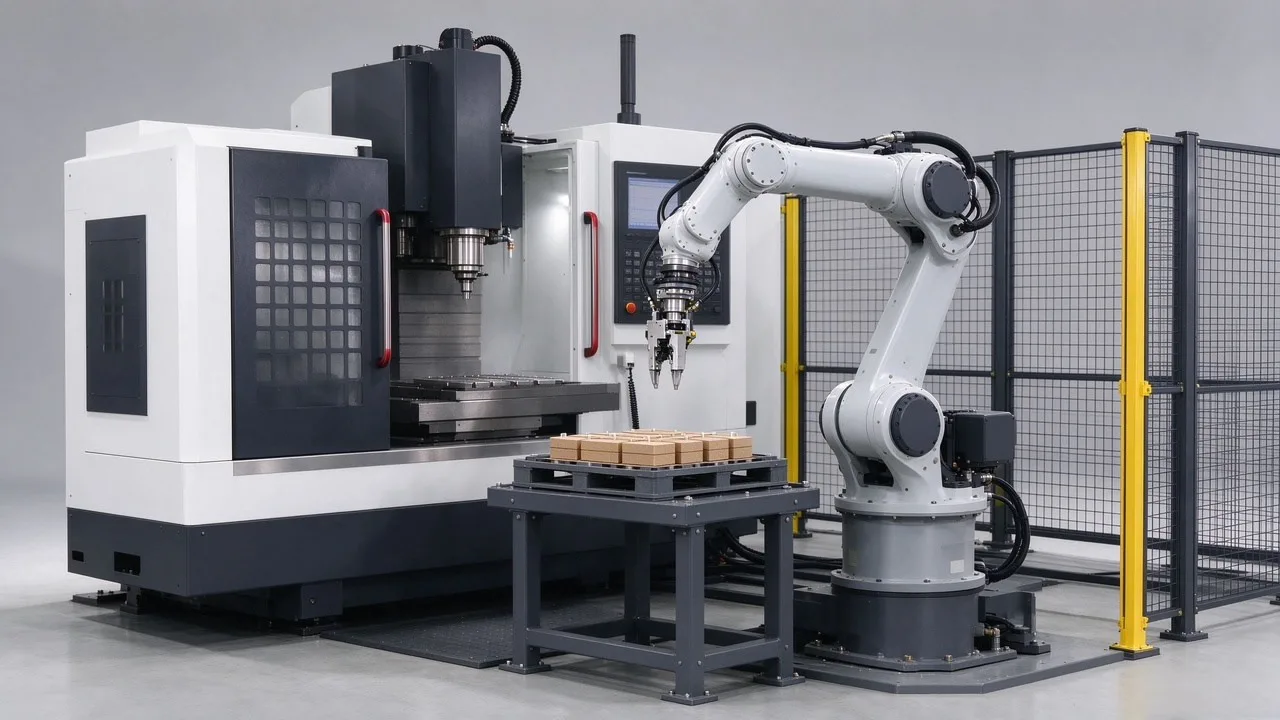
How to protect CNC machines in hot, humid climates: rust and corrosion prevention, electrical cabinet care, voltage stabilizers, coolant spoilage control and a sensible spare parts stock.
A CNC machine built for a temperate European plant will live a different life in Bangkok, Ho Chi Minh City or Jakarta. Heat, humidity and unstable voltage do not usually break a machine in one dramatic failure. They nibble: rust on ways, a corroded contactor, coolant that sours in a week, a board that fails years early. None of it is inevitable. This article covers the four areas that decide whether your machine runs cleanly for ten years in the tropics or limps through five.
Rust and Corrosion: Fight Moisture on Every Surface
High humidity is the enemy of every exposed steel surface. A machine that sits idle over a long weekend in a humid shop will show a film of rust on the table and uncoated ways by Monday. The defence is routine:
- Wipe down exposed ways and the table at the end of each shift and apply way oil or a corrosion preventive as the manual recommends.
- Do not let parts or fixtures sit on the table overnight. Move them to storage and oil the surfaces underneath.
- Keep the way covers working. A torn cover lets chips and coolant wash the protection off the guideways, and humidity finishes the job.
- If the shop shuts down for holidays, run the machine through a short warm-up and re-oil before the break.
Cast iron machine bodies resist rust well, but HT300 castings like those VITOP uses are only as protected as the oil film you keep on their working surfaces.
Electrical Cabinet Care in Humid Air
The electrical cabinet is where humidity does its most expensive damage. Moisture condenses on cold components when a hot, humid day ends and the shop cools down, especially on machines that sit powered off overnight. Practical steps:
- Keep the cabinet door closed and sealed. A propped-open door for cooling admits humid dust-laden air and defeats the design.
- Use cabinet heaters or keep the machine powered so the cabinet stays slightly above dew point, if your machine's electrical design supports it.
- Blow out dust with dry air during scheduled maintenance, and inspect terminals for green or white corrosion during every service.
Voltage Stability: Why a Stabilizer Is Worth It
Voltage fluctuation is a daily reality in many industrial areas of Southeast Asia. Sag when the whole estate starts its compressors, spikes during storms, and brownouts during peak season all stress drives and power supplies. A machine that reboots mid-programme loses parts; a drive stressed by repeated sags fails early.
A voltage stabilizer sized to the machine's full load is cheap insurance for a five-figure asset, and it is one of the standard recommendations for tropical operation. Ask your supplier for the machine's connected load and starting current so your electrician can size the stabilizer and its protection correctly. Good earthing belongs in the same conversation: a clean earth protects the CNC controller far better than any surge strip.
Coolant Spoilage in Heat
Coolant emulsion degrades fast at tropical temperatures. Bacteria thrive in warm fluid, and you will smell the sour odour before you see the trouble: rancid smell, tramp oil films, skin irritation for operators, staining and corrosion on machine surfaces. The discipline that works:
- Check concentration daily with a refractometer and top up with premixed coolant, never with straight concentrate or plain water.
- Remove tramp oil. Skimmers pay for themselves in hot shops.
- Keep the sump clean and clean it out fully at every coolant change; adding fresh coolant to a dirty sump just restarts the clock on old bacteria.
Stock the Right Spares
In many export markets, a spare part that ships from China takes days to arrive, and customs clearance adds time on top. Keep a small stock of consumables and known wear items on site: filters, way wipers, coolant pump seals, contactors for the spindle and coolant circuits, fuses, and a set of tool changer sensors if your machine uses them. Ask the manufacturer for the recommended spare parts list at order time and buy it with the machine; the discount versus buying later is usually generous, and the downtime you avoid is not.
None of this is complicated. It is a short daily routine, one stabilizer, and a shelf of spares. Do those things and a tropical shop can run machines as cleanly as any temperate one. If you are specifying a machine for a hot, humid plant, tell the manufacturer up front; VITOP builds machines exported worldwide and can advise on configuration and spares for your climate.
Talk to VITOP Machinery
Planning a machine purchase or need help matching a model to your parts? Send your drawings or questions to vitopmachinery@163.com, or message us directly on WhatsApp: +86 183 1908 0212. You can also browse all machines at www.vitopmachinery.com. We reply within one business day.