EDM Machine and Surface Grinder: Completing Your Toolroom
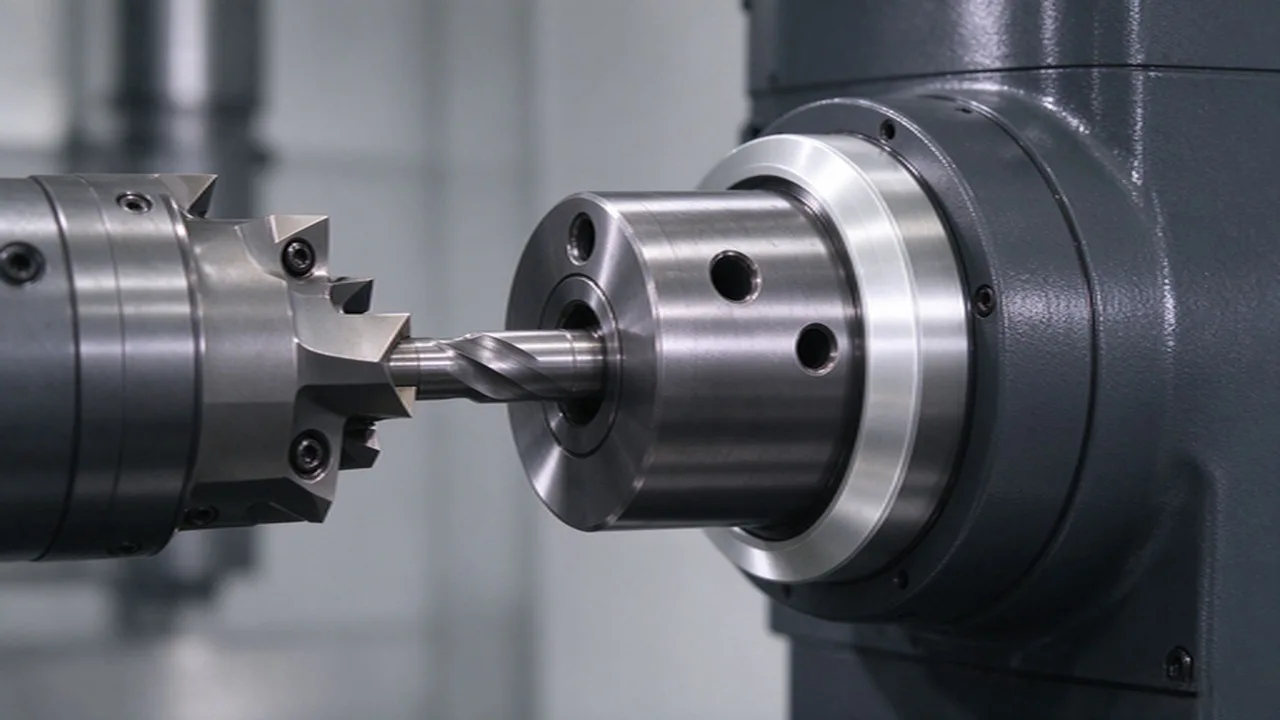
What an EDM machine and a surface grinder machine each do in mould and die work, and how the two fit next to a vertical machining centre in a complete toolroom.
A vertical machining centre is the heart of most toolrooms, but it cannot do everything. Hardened steel, sharp internal corners and truly flat surfaces need two more machines: an EDM and a surface grinder. Here is what each one does and how they fit together in mould and die work.
What an EDM Machine Does That a Mill Cannot
An EDM machine (electrical discharge machine) removes metal with controlled sparks, not cutting forces. The electrode never touches the workpiece; sparks erode it a discharge at a time while dielectric fluid flushes the debris away. Two consequences matter for toolmakers.
First, hardness stops mattering. A block of D2 at 60 HRC machines exactly as easily as soft steel, which makes EDM the natural process for hardened mould inserts and for repair work on dies you cannot anneal. Second, EDM reaches where cutters cannot. Sharp internal corners, deep narrow slots and blind cavities are routine work. Sinker EDM burns a shaped electrode into the steel for cavities and ribs; wire EDM threads a thin brass wire through a start hole to cut precise profiles through the full block thickness.
Surface Grinder Machine: Flatness and Finish
A surface grinder machine does one thing superbly: it makes flat surfaces flat. Where a milled face might come off the machine a few hundredths of a millimetre out and covered in tool marks, grinding holds tolerances in the micron range and leaves a fine, uniform finish.
In mould work you will use it for squaring blocks before EDM or milling, finishing parting surfaces that must seal, grinding inserts and slides to final size after heat treatment, and preparing mounting faces. A mould assembled from ground components shuts off predictably; one assembled from milled surfaces spends its life flashing and being polished.
How the Three Machines Work Together
A typical toolroom sequence looks like this:
- Mill the block on your VMC: rough the cavity, drill and tap, and cut every pocket whose corners can carry a radius.
- Grind reference faces and square the block on the surface grinder, so every later operation measures from true datums.
- EDM the features the cutter could not reach: sharp corners, deep ribs, hardened details.
- Grind and fit inserts, then bench and polish.
Each machine covers the others' weak spots. The VMC removes metal fast, the grinder sets precision, and the EDM handles hardness and geometry. Shops that try to skip one usually pay the time back in polishing hours.
A few practical notes if you are choosing between machines. On an EDM machine, ask about flushing options and electrode wear compensation, because both decide how much time you spend redoing burns. On a surface grinder, check the size of the magnetic chuck against your largest block, not your average one, and look at whether the machine manages coolant cleanly, since slurry control affects the finish more than most buyers expect. In both cases, a heavy casting and properly scraped guideways matter as much as they do on a machining centre.
Choosing Machines for Your Own Toolroom
When you shop for these machines, look at the same fundamentals as any machine tool: rigid castings, accurate guideways, and a maker that inspects what it builds. VITOP Machinery's EDM, Grinder & Milling series covers surface grinding and engraving-milling for hardened tooling, built in the same factory as our vertical machining centres and backed by the same laser interferometry and ballbar testing before shipment. Running EDM, grinding and milling equipment from one supplier simplifies service, documentation and operator training.
If you are equipping a new toolroom or upgrading an old one, tell us your parts and the machines you already run. We will suggest the smallest sensible configuration rather than the biggest possible order.
Talk to VITOP Machinery
Planning a machine purchase or need help matching a model to your parts? Send your drawings or questions to vitopmachinery@163.com, or message us directly on WhatsApp: +86 183 1908 0212. You can also browse all machines at www.vitopmachinery.com. We reply within one business day.