From One VMC to an Automated Machining Line: How to Scale Up
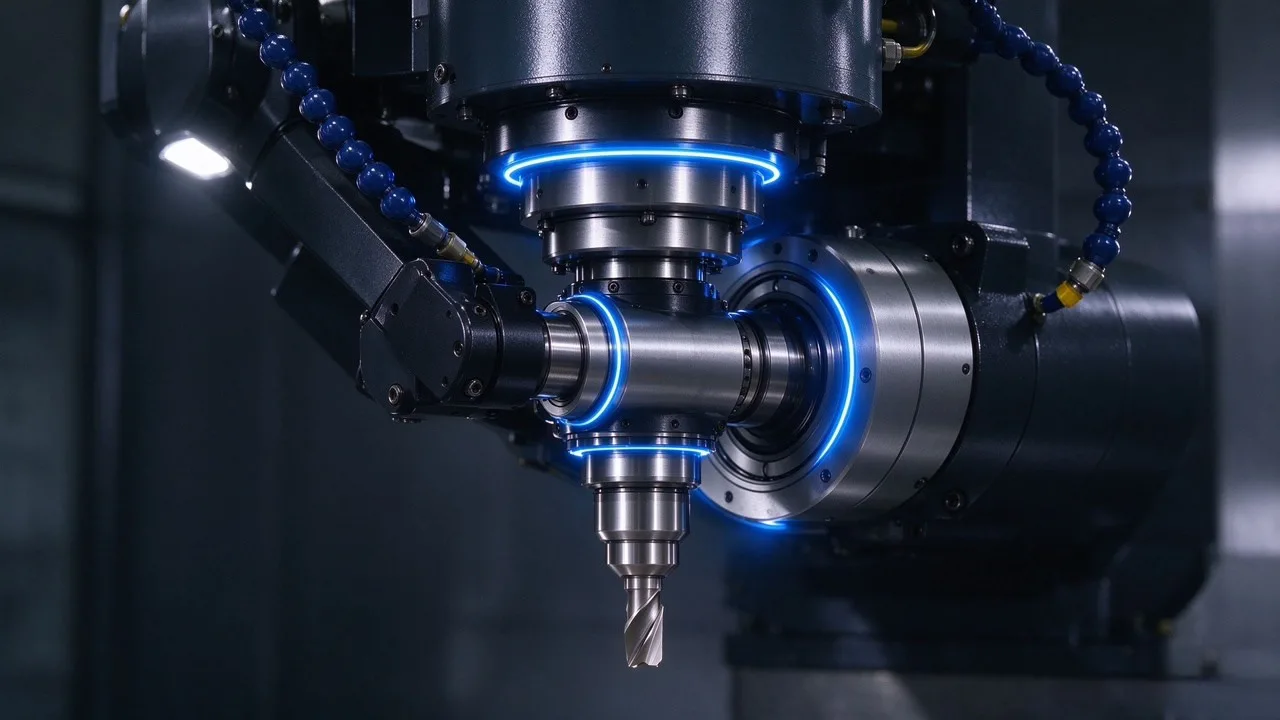
A staged path from a single VMC to an automated machining line: fixtures first, then pallet systems, robot tending, chip management and the signs that it is time to add machines.
Nobody buys an automated machining line on day one. It starts with a single vertical machining centre, a good operator, and one customer whose orders keep growing. The question is not whether to scale, but in what order. Shops that automate in the right sequence grow capacity without wasting money; shops that buy a robot before their fixturing is right end up with expensive equipment that waits. Here is a practical staging plan.
Stage 1: Fixtures Before Anything Else
An automated machining line is only as fast as its slowest changeover. Before buying any hardware beyond the machine, invest in fixturing that makes repetition cheap:
- Standardise on a workholding system so fixtures swap in minutes, not hours.
- Design fixtures with repeatable datum faces so a new operator or a robot can load parts the same way every time.
- Document setups. A photo and a tool list taped to the fixture saves fifteen minutes every changeover.
If your batches are small and varied, better fixtures and setup discipline may add more capacity than any robot. Get this stage right first, because everything after it depends on parts that load identically every time.
Stage 2: Pallet Systems to Cut Changeover Losses
When changeovers still eat too much time, a pallet system lets you set up the next job on a second pallet while the machine cuts the current one. The operator swaps pallets in seconds and the spindle keeps earning. This is the cheapest capacity increase available to most shops, and it also organises your shop floor: jobs queue on pallets instead of queuing in front of one tired machinist.
Stage 3: Robot Tending for the Repetitive Jobs
Once you have repeat parts, stable processes and pallet-based changeovers, robot tending starts to make economic sense. The robot loads and unloads while your operator inspects, deburrs or tends a second machine, and the cell can run unattended through breaks or a night shift. Choose the job family with the longest, most stable runs first. Make sure the machine's control interface can handshake with a loader, and confirm that alarms stop the cycle safely when nobody is watching.
Stage 4: Chip and Coolant Management
Automation fails quietly on chip handling. A robot does not stop to dig chips out of a pocket, and an unattended machine with a blocked chip flow will bury the work area, drag chips back into the vise, and scrap parts by the dozen. This is why an automatic chip conveyor stops being optional once the machine runs without a person beside it. VITOP offers an automatic chip conveyor as optional equipment, and it is the option most worth specifying when you plan for unattended running. Pair it with coolant cleanliness discipline: filtration and tramp oil control matter twice as much when nobody is there to notice.
When to Add Machines Instead of Automating Harder
There is a point where the next dollar belongs to a second machine, not more automation on the first. Signals that you have reached it:
- The machine is cutting more hours per day than your orders need from one spindle, but one machine still cannot keep up with lead times.
- Your bottleneck is machining hours, not changeover or loading time. Automation multiplies spindle hours; it cannot create a second spindle.
- You need process separation, for example roughing on one machine and finishing on another, or milling and turning split across machines.
When you add machines, buy them with the line in mind: same controller family where possible so programs and skills transfer, consistent tooling tapers, and utilities like air and power stubbed in for the machine after next. VITOP's range, from vertical machining centres to horizontal and drilling tapping centres, lets buyers standardise on one supplier as the line grows, with OEM/ODM support for the fixturing and interfaces in between.
The Order of Operations, Summarised
Fixtures, then pallets, then a robot on your most repetitive job, then chip and coolant automation, then machines two, three and four. Each stage funds the next by cutting cost per part, and each stage keeps working when you get there. Shops that skip stages pay twice.
Talk to VITOP Machinery
Planning a machine purchase or need help matching a model to your parts? Send your drawings or questions to vitopmachinery@163.com, or message us directly on WhatsApp: +86 183 1908 0212. You can also browse all machines at www.vitopmachinery.com. We reply within one business day.