Precision Machine Vise: Rigid Workholding for Machining Centers
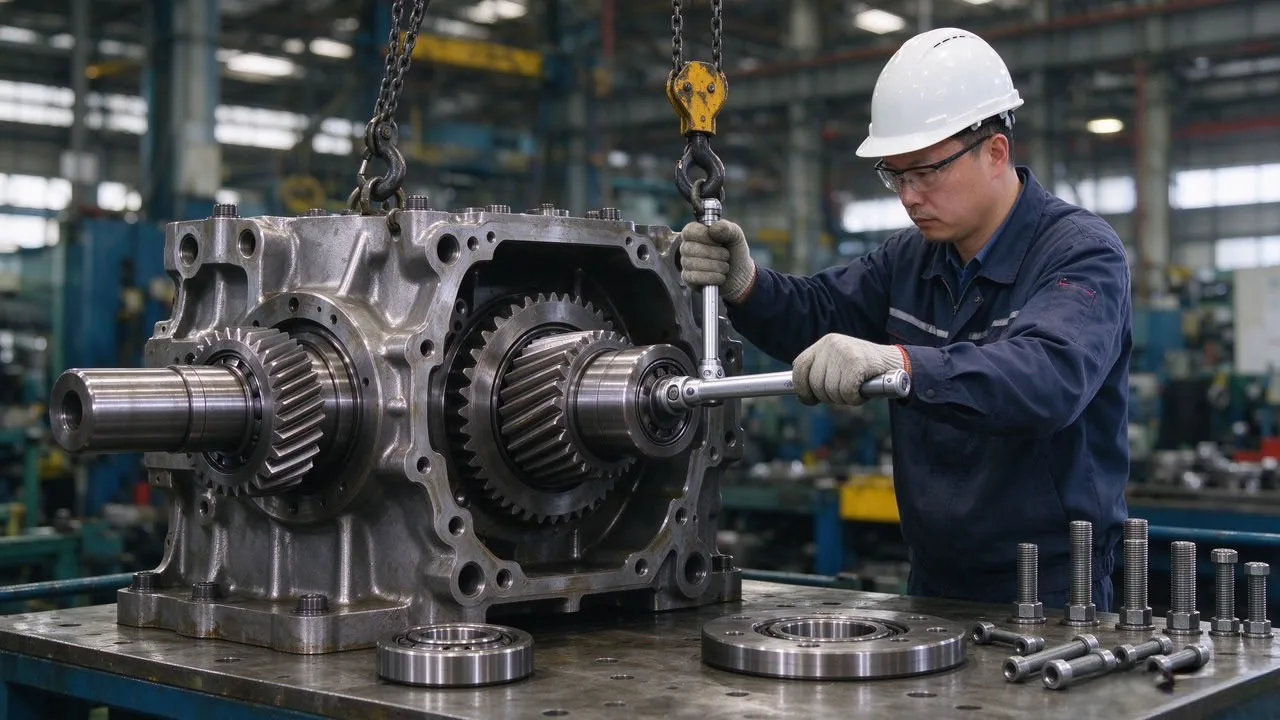
A precision machine vise provides rigid, accurate workpiece clamping on machining centers. Here is how to select and set one up for repeatable results.
A machining center can hold a position of a few microns, but it can only do that if the workpiece sits still and sits in the same place every time. That is the job of the precision machine vise, the most-used piece of workholding on any vertical machining center. VITOP supplies precision machine vises as optional equipment for workpiece clamping, giving shops a fixturing solution that matches the machine they buy.
Why the Vise Decides Your Accuracy
Spindle, guideways and ballscrews all matter, but a poor vise quietly ruins all of them. If a part shifts 0.02 mm under cutting load, your program still reads the old coordinates and the scrap bin gets fuller. Rigid and accurate fixturing is exactly what a precision vise is built for: hardened and ground jaw surfaces, a consistent clamping force, and repeatable part location so the second workpiece lands where the first one did.
Key Specifications
| Item | Detail |
|---|---|
| Type | Precision machine vise |
| Application | Workpiece clamping |
| Function | Rigid and accurate fixturing |
Matching the Vise to the Job
Start with the part. A vise that is too large wastes Z stroke and table space; one that is too small lets thin parts flex. As a general shop rule, keep the clamped height low, support the part on parallels so it cannot rock, and never let the tool cut into the jaws. For finished surfaces, fit soft jaws bored to the part shape so the clamp presses on machined faces without marking them.
Think about access too. If your program needs the cutter to work around all four sides, plan the step-downs so each setup exposes enough material, or consider two vises on one table so you can flip parts without losing position.
Setup Habits That Keep Repeatability
- Clean the table and the vise base before bolting down. A single chip under the foot shifts the whole vise.
- Indicate the fixed jaw along the X axis. A few minutes with a dial indicator saves hours of rework.
- Use a torque wrench or a consistent pull on the handle so clamping force does not change from operator to operator.
- Seat the part onto parallels with a soft-faced hammer before final tightening.
- Check the jaw faces periodically. A dinged hard jaw turns every future setup into a problem.
Pairing With VITOP Machining Centers
When you order a VITOP vertical machining center, the vise can be specified together with the machine so the table, T-slot layout and Z clearance all suit the workholding. That matters for shops running batches: the same vise position, the same offsets and the same clamping habit across every shift is what turns a good machine into a productive one.
VITOP Machinery builds machining centers on HT300 resin-sand castings with double ageing treatment, and every machine is laser-verified before shipment. Accurate workholding is the other half of that promise. If you are unsure which vise size suits your parts, send us a part drawing and we will suggest a setup.
Choosing Between Hard and Soft Jaws
Hard, ground jaws are the default for raw stock and repeatable square parts. Soft jaws, machined in place to suit one part, protect finished surfaces and can grip odd shapes. Many shops keep two sets per vise size and swap them per job. If your parts arrive as sawn blocks, hard jaws plus parallels are enough. If you machine second operations on finished faces, soft jaws pay for themselves quickly.
One more habit worth building: log each job’s vise position and jaw type on the setup sheet. When the batch returns months later, the setup takes minutes instead of an hour of trial and error.
Talk to VITOP Machinery
Planning a machine purchase or need help matching a model to your parts? Send your drawings or questions to vitopmachinery@163.com, or message us directly on WhatsApp: +86 183 1908 0212. You can also browse all machines at www.vitopmachinery.com. We reply within one business day.
Need a CNC Machine for Your Project?
Tell us what you need to machine — our engineers will recommend the right model and send a quotation within 24 hours.