Slant Bed vs Flat Bed CNC Lathe: Choosing the Right Turning Machine
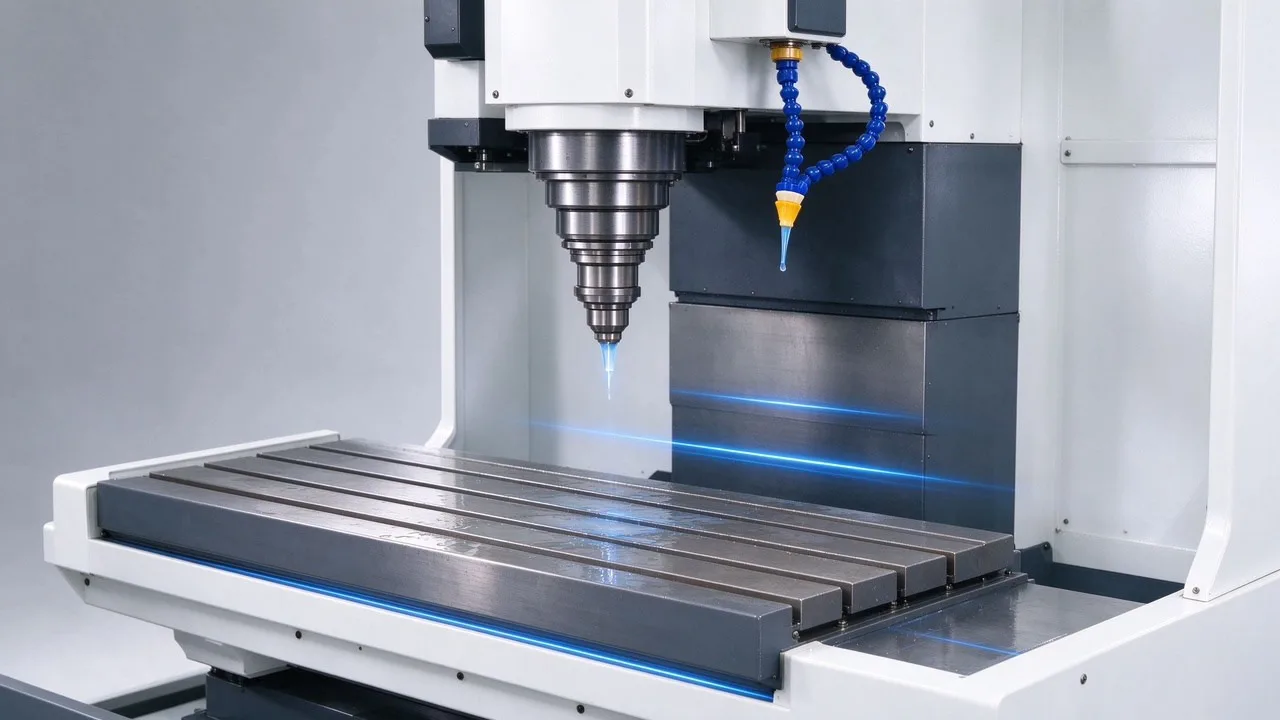
Chip flow, ergonomics, bar work versus shaft plus disc work, automation readiness: a side-by-side comparison to help you choose between slant bed and flat bed CNC lathes.
The bed angle is the most visible difference between two CNC lathes, and it is also the most important one. A flat bed CNC lathe keeps the bed horizontal, the classic engine-lathe layout. A slant bed CNC lathe tilts the bed, usually 30 or 45 degrees, which changes how chips fall, how the operator works plus how easily the machine accepts automation. Here is how the two constructions actually differ in a workshop.
Chip Flow and Thermal Stability
On a slant bed lathe, gravity does part of the production job. Chips slide down the inclined bed surface into the chip pan or a chain conveyor, away from the cutting zone. This matters most in bar work and high-volume turning, where continuous chips arrive by the kilogram. Less chip re-cutting means better tool life and better surface finish, and a chip conveyor keeps the machine running unattended.
On a flat bed lathe, chips collect around the chuck plus the ways. The operator clears them manually. For short runs and large parts this is a minor annoyance; for eight hours of small-part production it becomes a real cost.
The slant layout also carries coolant and heat away from the spindle area more effectively, which helps dimensional stability over long shifts. Chip packing is the most common root cause of early guideway wear we see on cheaply built flat bed machines in humid climates, where coolant maintenance is often neglected.
Operator Ergonomics
A slant bed machine puts the chuck closer to the operator's standing height, and the inclined front face gives a clear view of the cutting zone. Tool changes and part inspection are quicker, and there is less bending. In shops running two or three shifts, that difference adds up every day.
A flat bed machine sits lower and requires the operator to lean over the front way to see the cut. It is perfectly workable, especially with larger parts where you walk around the workpiece anyway, but for small-part production the slant bed is simply more comfortable.
Bar Work vs Shaft and Disc Work
| Work type | Better fit | Why |
|---|---|---|
| Bar-fed small and medium parts, fittings, bushings | Slant bed | Chip evacuation, gang or turret tooling, bar feeder integration |
| Long shafts between centres | Flat bed or heavy slant bed | Steady rest and tailstock access, strong base rigidity |
| Large discs, flanges, wheels | Flat bed | Big swing diameter, easy overhead loading by crane |
| High-volume unattended turning | Slant bed | Conveyor, parts catcher, robot or gantry loading |
Slant bed machines dominate in the 200-500 mm swing range for good reason: that is where batch production lives. Flat bed machines remain the practical choice for very large diameters and for shops that turn one heavy part at a time with crane loading.
Automation Readiness
This is where the two designs diverge most sharply. A slant bed CNC lathe is built for automation from the start: the chip path feeds a conveyor, the Z axis can be extended to accept a bar feeder, a parts catcher drops finished pieces into a tray, and the inclined layout suits a gantry or robot arm loading from above. Most modern turning cells, including ours at VITOP Machinery, are slant bed for exactly this reason.
A flat bed lathe can be automated, but it usually takes custom guarding, custom chip handling plus more integration work. If you expect to add a bar feeder or robot within the machine's life, buy the slant bed now; retrofitting later rarely works out cheaper.
Cost and When Each Makes Sense
Slant bed machines cost more for the same swing size because of the steeper casting, linear guideways plus integrated chip management. Flat bed machines stay popular where budget is tight, parts are large, or batches are short.
- Buy a slant bed CNC lathe if you turn bar stock, run repeat batches, plan to automate, or need consistent round-the-clock output of shafts, pins plus fittings.
- Buy a flat bed CNC lathe if you turn large discs, flanges plus long shafts in small quantities, or if crane loading of heavy workpieces is part of your daily routine.
VITOP Machinery builds both flat-bed and slant-bed CNC lathes in our 30,000 m2 production base, with HT300 resin-sand castings, double ageing treatment plus laser interferometry plus ballbar testing on every machine before shipment. Tell us your part drawings and batch sizes, and we will recommend the bed type, chuck size plus tooling layout that fit.
Talk to VITOP Machinery
Planning a machine purchase or need help matching a model to your parts? Send your drawings or questions to vitopmachinery@163.com, or message us directly on WhatsApp: +86 183 1908 0212. You can also browse all machines at www.vitopmachinery.com. We reply within one business day.