Private Label CNC Machines: What a Factory Can Customize
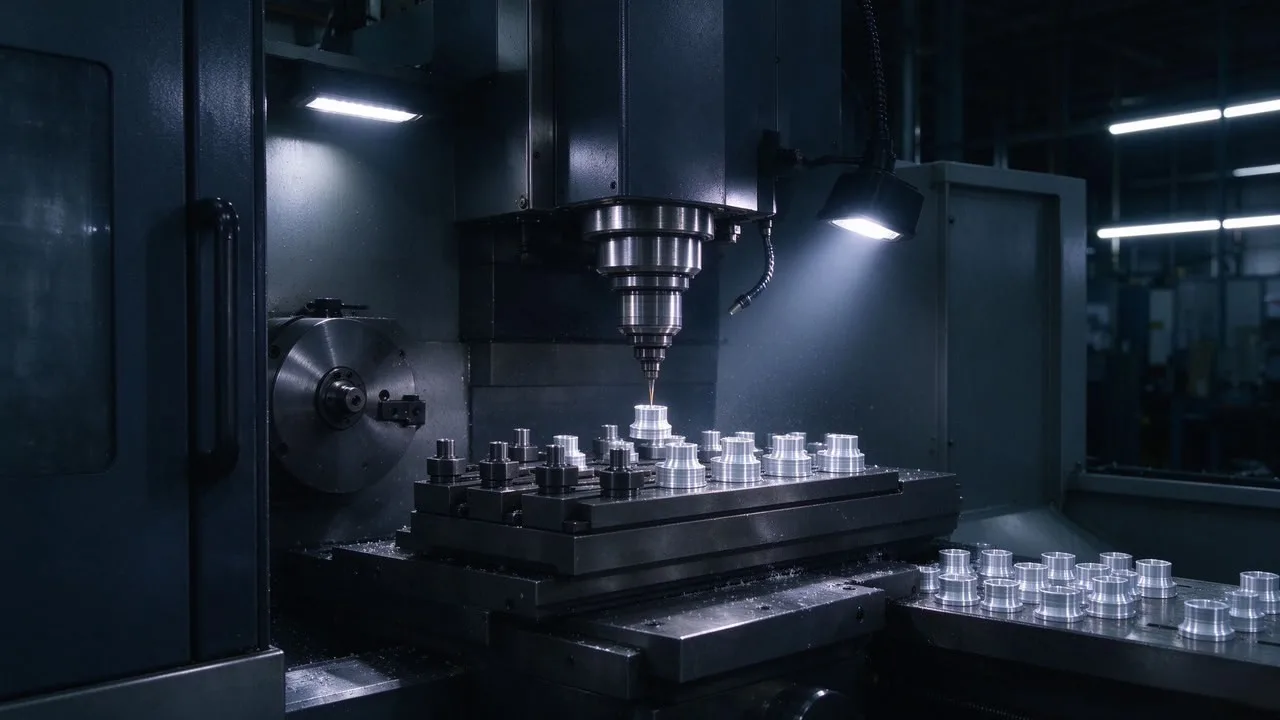
A practical look at private label CNC machines: nameplates, paint, control language, packaging, plus what usually stays standard.
Distributors and trading companies in Southeast Asia, the Middle East and Latin America often ask the same question: can we sell CNC machines under our own brand? In many cases, yes. VITOP Machinery has built machines for more than 13 years and offers full OEM and ODM support, which covers far more than a sticker on the column. This article walks through what a private label program usually includes, what normally stays standard, and how to arrange it without surprises.
What Private Label Means for Machine Tools
Private label means the factory builds the machine, but your brand faces the customer. The nameplate, the manuals, the crate markings and the software interface all carry your identity. For a distributor, this builds brand equity instead of advertising someone else's name. For a local assembler, it can support government or tender preferences for locally presented equipment.
OEM and ODM are not identical. OEM keeps an existing machine design and applies your branding. ODM goes further, with changes to configuration, travels, or even the structure for a specific product family. Most distributors start with OEM on a proven model, then move into ODM once volumes justify it.
What a Factory Can Customize
Based on what machine builders in Guangdong commonly offer, and what VITOP supports directly, the customization surface is broad:
- Nameplate: your logo, brand name, model designation, serial number scheme and electrical data, in your language.
- Paint and decals: machine colour matched to your brand, logo placement on column, spindle head and cover.
- Control language: operating system interface, alarms and prompts localized for your market.
- Manuals and labels: operation and maintenance manuals printed under your brand, with your service contact.
- Packaging: crate marking, shipping marks and protective rust-proofing arranged to your specification.
- Electrical configuration: voltage and frequency set for your country, for example 380V/50Hz or 415V configurations.
- Option bundles: angle heads, chip conveyors, 4th axis units or tool presetters pre-fitted so the machine arrives production-ready.
What Usually Stays Standard
Be realistic about the limits. The structural core of the machine rarely changes under a private label arrangement: the casting grade, the guideway specification, the spindle taper and the test procedures stay as designed. At VITOP, for example, machines use HT300 resin-sand castings with double ageing treatment and hand-scraped, matched guideways, and every unit is laser-verified before shipment. These are the elements that protect accuracy and reputation, so a serious factory will not compromise them for a logo.
Safety functions and certification status also stay tied to the original design. If your market demands specific electrical standards, raise this at the quotation stage rather than after production.
Practical Steps to Arrange a Private Label Program
- Choose a proven base model from the factory's existing range and confirm its test records.
- Agree on the branding package: nameplate artwork, paint code, manual language and crate marking.
- Approve a nameplate proof and a machine photo set before mass production starts.
- Plan spare parts stock under your label, so after-sales service does not expose the original manufacturer.
- Start with one or two machines, verify customer feedback, then scale the program.
Questions to Settle Before Signing
Ask directly, and get answers in writing: Who owns the modified design files if the machine is ODM? How are warranty claims handled when the machine carries your brand? Will the factory support your service engineers with remote diagnostics? Is there any region exclusivity, and under what volume commitment? A factory with real OEM experience will answer these easily. Vague answers are a warning sign.
Private label works best when both sides treat it as a long-term program, not a one-off order. Choose a builder whose quality system you can stand behind, because your brand rides on every machine that ships. ISO 9001, ISO 14001 and ISO 45001 certification is a reasonable minimum to look for.
Talk to VITOP Machinery
Planning a machine purchase or need help matching a model to your parts? Send your drawings or questions to vitopmachinery@163.com, or message us directly on WhatsApp: +86 183 1908 0212. You can also browse all machines at www.vitopmachinery.com. We reply within one business day.
Need a CNC Machine for Your Project?
Tell us what you need to machine — our engineers will recommend the right model and send a quotation within 24 hours.